3D Printing
3D Printing for Plastic Manufacturing Parts
3D printing provides a flexible manufacturing option for prototypes, lower-volume production runs, and projects where traditional injection molding may not be the most practical solution. It allows IMS to produce functional plastic parts without the upfront investment required for traditional injection mold tooling.
The right manufacturing method depends on factors such as part design, size, material, production quantity, and project requirements. For lower-volume projects, 3D printing can offer a cost-effective path to production, while injection molding may provide greater efficiency as production volumes increase.
3D Printing for Prototyping
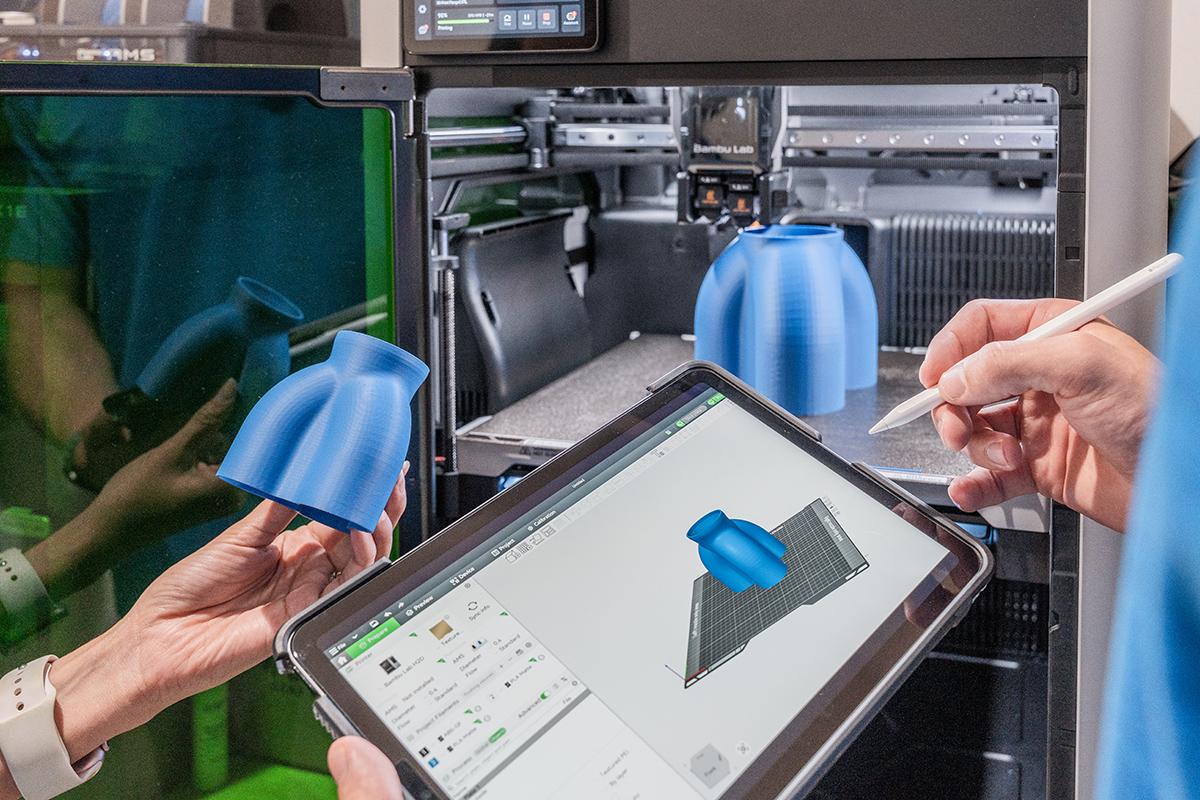
3D printing allows customers to evaluate a physical prototype of their part before moving into final tooling and production. A prototype can help assess the design, fit, and function of a part and identify potential changes early in the manufacturing process.
Making design adjustments during the prototyping stage can be simpler and more cost-effective than modifying tooling later. Once the design has been evaluated and approved, the project can move forward into tooling and injection molding with greater confidence in the final design.
What is 3D Printing?
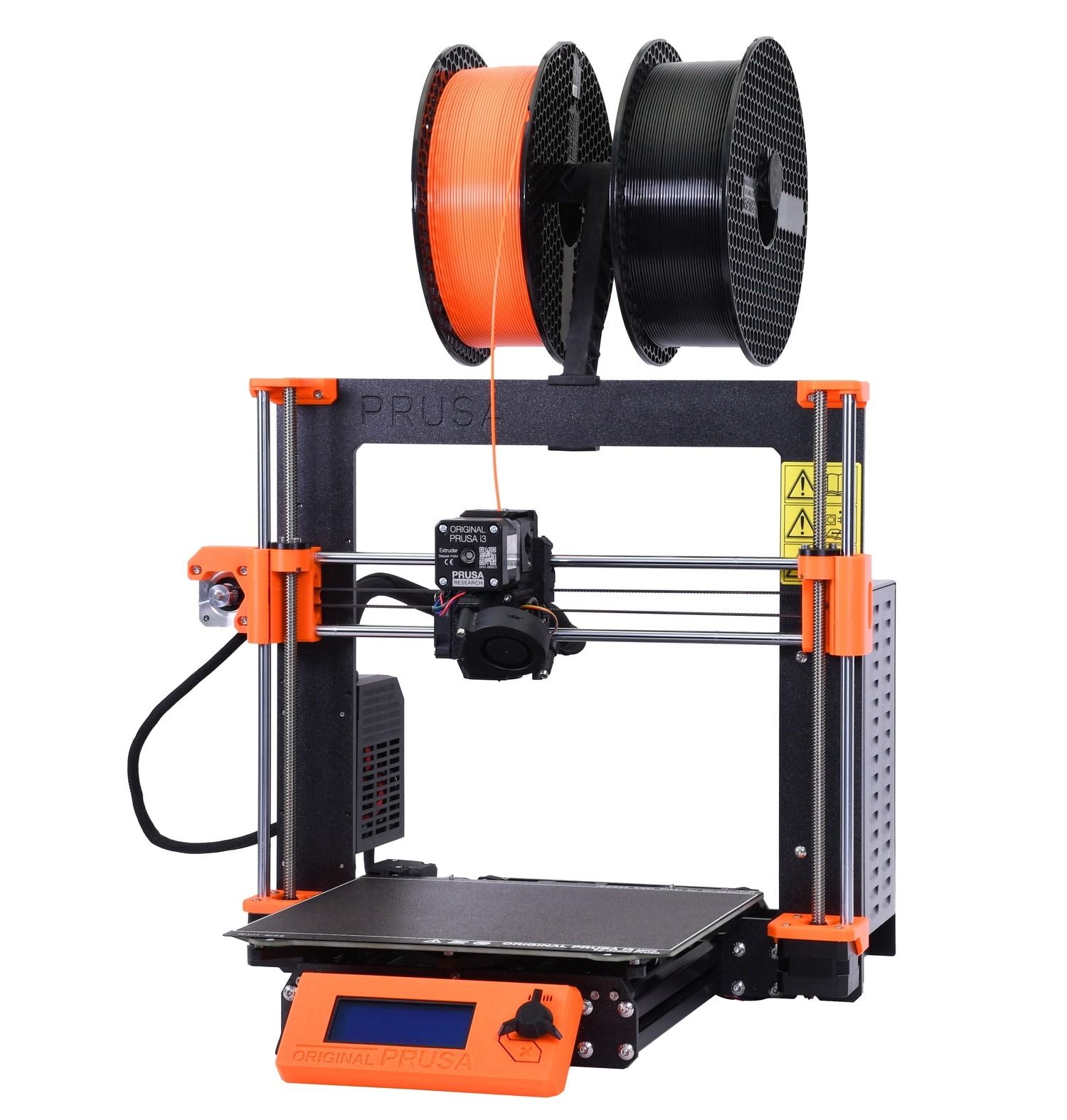
3D printing is an additive manufacturing process that creates physical parts from digital 3D CAD (Computer-Aided Design) models. Parts are built layer by layer, allowing for complex geometries and design features that may be difficult to achieve with traditional manufacturing methods.
At IMS, 3D printing can be used to produce prototypes, functional parts, molds, jigs, and fixtures for a variety of manufacturing applications. Our maximum 3D printing build size is 10 x 9.9 x 7.9 inches, providing flexibility for a range of part sizes and project requirements.
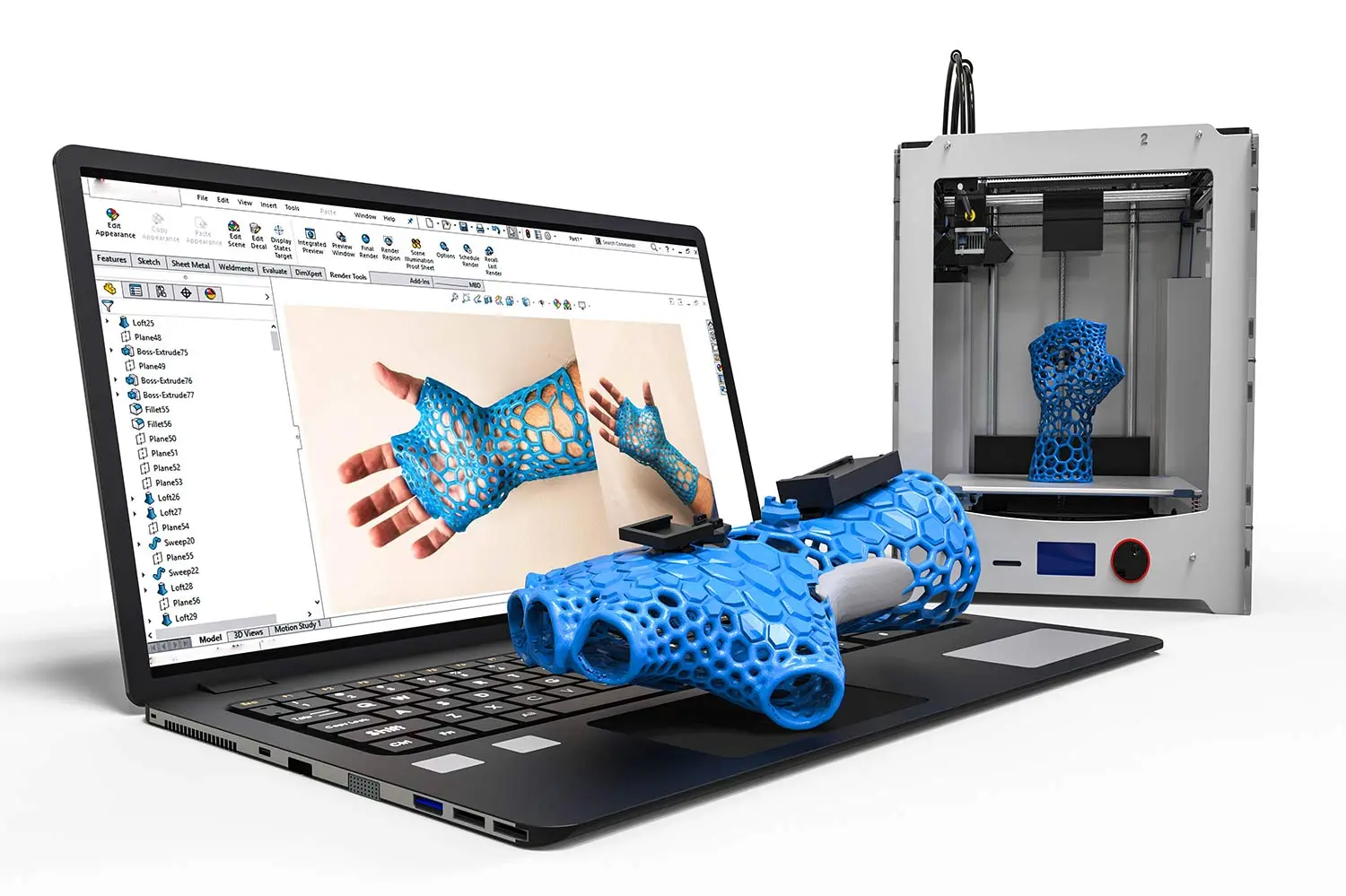
3D Printed Injection Molds
For certain lower-volume applications, 3D-printed molds can provide an alternative to traditional metal tooling. This approach can help bridge the gap between prototyping and conventional injection mold tooling when a project does not require the production volume or tooling life of a traditional mold.
A 3D-printed mold insert can be designed for use in an injection molding machine to produce a limited quantity of molded parts. Depending on the part design, material, and production requirements, this approach may help reduce upfront tooling costs and lead times while allowing customers to evaluate or produce parts using the injection molding process.
PolyJet 3D Printing Capabilities
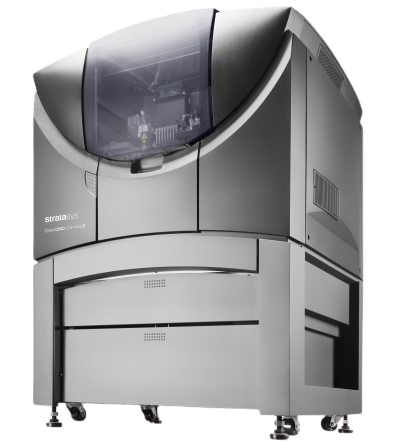
IMS uses PolyJet 3D printing technology to produce detailed parts and prototypes with a range of material properties, colors, and finishes. PolyJet technology builds parts using layers of photopolymer material that are cured with UV light, allowing for detailed geometries and smooth surface finishes.
Depending on the application, PolyJet technology can support rigid and flexible materials, opaque and translucent finishes, and materials designed for specific performance requirements. Using digital design files, our team can produce prototypes, models, and finished parts based on the needs of each project.
Want to learn more about 3D printing technologies?
Explore the difference between PolyJet and FDM 30 printing.
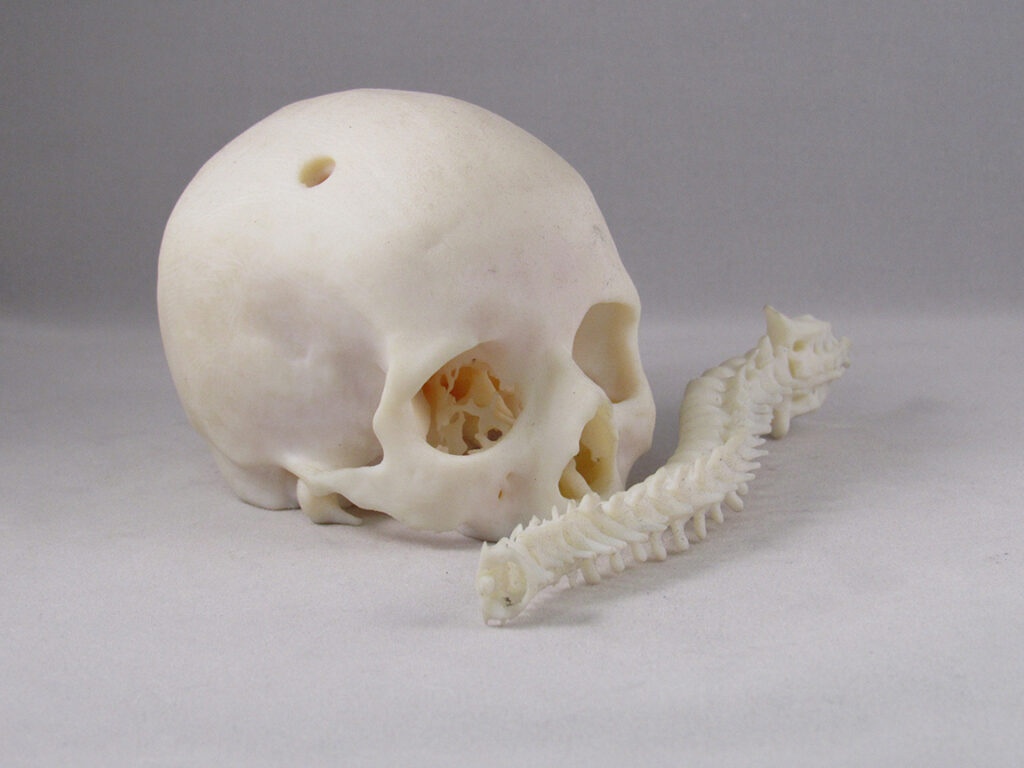
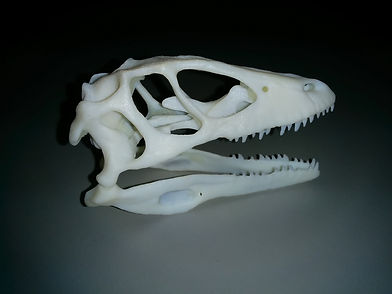
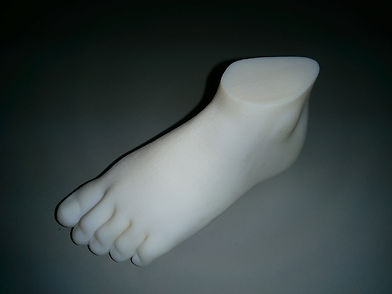
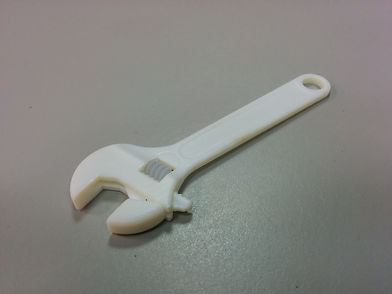
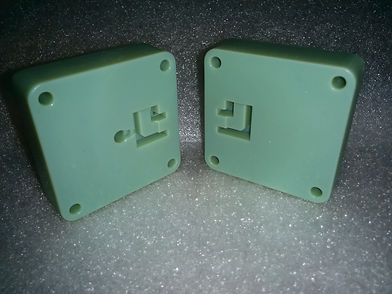
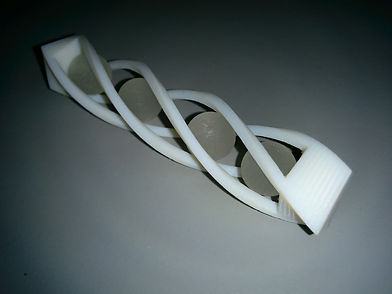
IMS 3D Printed Parts
Explore examples of 3D printed parts produced by Integrated Molding Solutions. From prototypes and models to custom components, these examples highlight the range of designs and applications supported by our 3D printing capabilities.